The Bribery Scheme: A Million-Dollar Secret
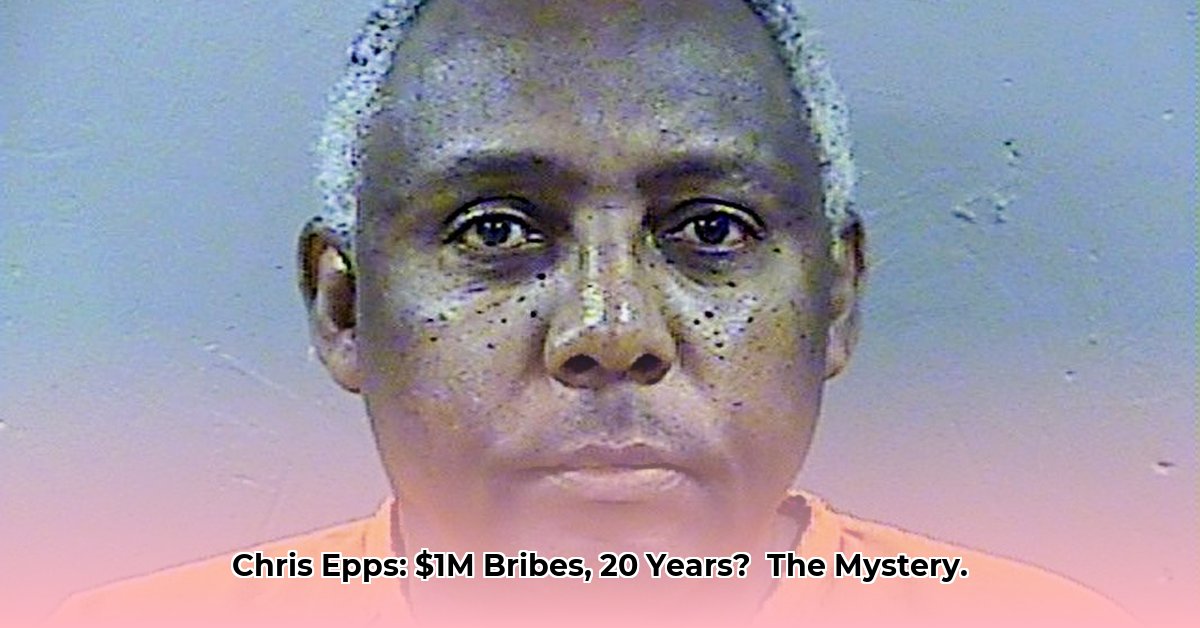
Chris Epps, former commissioner of the Mississippi Department of Corrections (MDOC), received a 20-year prison sentence following his conviction on bribery charges. The case revolves around a multi-million dollar scheme involving kickbacks from private prison companies, primarily Management and Training Corporation (MTC). Epps accepted over $1 million in bribes in exchange for awarding lucrative contracts to these companies. Court documents 1 detail years of systematic corruption, with substantial sums of money funneling into his pockets through a network of corrupt deals. This blatant abuse of public trust significantly undermined the integrity of Mississippi's prison system. How much more he gained remains unclear.
Unmasking Chris Epps's Net Worth: The Challenges
Determining Epps's net worth presents significant challenges. While the $1 million in documented bribes represents a substantial sum, it likely underestimates his total ill-gotten gains. The possibility of hidden assets, shell companies, and offshore accounts complicates efforts to ascertain his true wealth. Ongoing investigations and legal complexities hinder access to complete financial records, making a definitive assessment of his net worth difficult, if not impossible in the near term. This opacity underscores the need for greater transparency in government contracting and financial oversight.
The Systemic Implications: Beyond Individual Corruption
The Epps case highlights systemic issues within the MDOC and the broader context of prison privatization. Powerful lobbying groups, weak oversight, and a lack of transparency created fertile ground for corruption. The “bed guarantee” clauses prevalent in private prison contracts incentivized high occupancy rates, potentially prioritizing profit over ethical practices and the well-being of inmates. This case serves as a stark reminder of the ethical and practical concerns surrounding prison privatization. The lack of government oversight and accountability allowed the corruption to flourish, raising critical questions about the management of public funds and the proper functioning of the justice system. This raises the question: How many more Epps are out there?
The Human Toll: A Deeper Look
The Epps scandal has far-reaching consequences extending beyond the financial. The corruption compromised the stability of the prison system, possibly impacting inmate rehabilitation resources, staff morale, security, and overall well-being within correctional facilities. Did limited funds lead to neglected facilities or inadequate programs, jeopardizing both incarcerated individuals and staff? The full human cost of Epps's actions may remain unknown for years.
Lessons Learned and the Path Forward: Preventing Future Corruption
The Epps case underscores the critical need for greater transparency and accountability in government contracting, especially in areas like corrections. Strengthening oversight mechanisms, implementing stricter accountability measures for public officials, and empowering whistleblowers are crucial steps towards preventing similar scandals. The focus should be less on merely reacting to corruption after it occurs, and more on proactively building a system resistant to it. This requires not only improved oversight but also addressing the root causes of mass incarceration and reforming the incentives inherent in privatized prison systems. The complete story of Chris Epps's financial gain may remain untold, yet the lessons about preventing such corruption should be clear.
Conclusion: The Unfinished Story
While the legal chapter in Chris Epps's case has closed, the question of his exact net worth remains unanswered. This ambiguity underscores the significant challenges in uncovering the full extent of corruption and the need for stronger oversight of public funds. The lasting impact of Epps’s crimes on the Mississippi prison system and the broader need for reforms should be the lasting legacy of this case. The focus should remain less on the specific sum and more on the systemic failures that allowed his actions to occur.